
Architecture
The Chapels of the Mosque-Cathedral of Córdoba
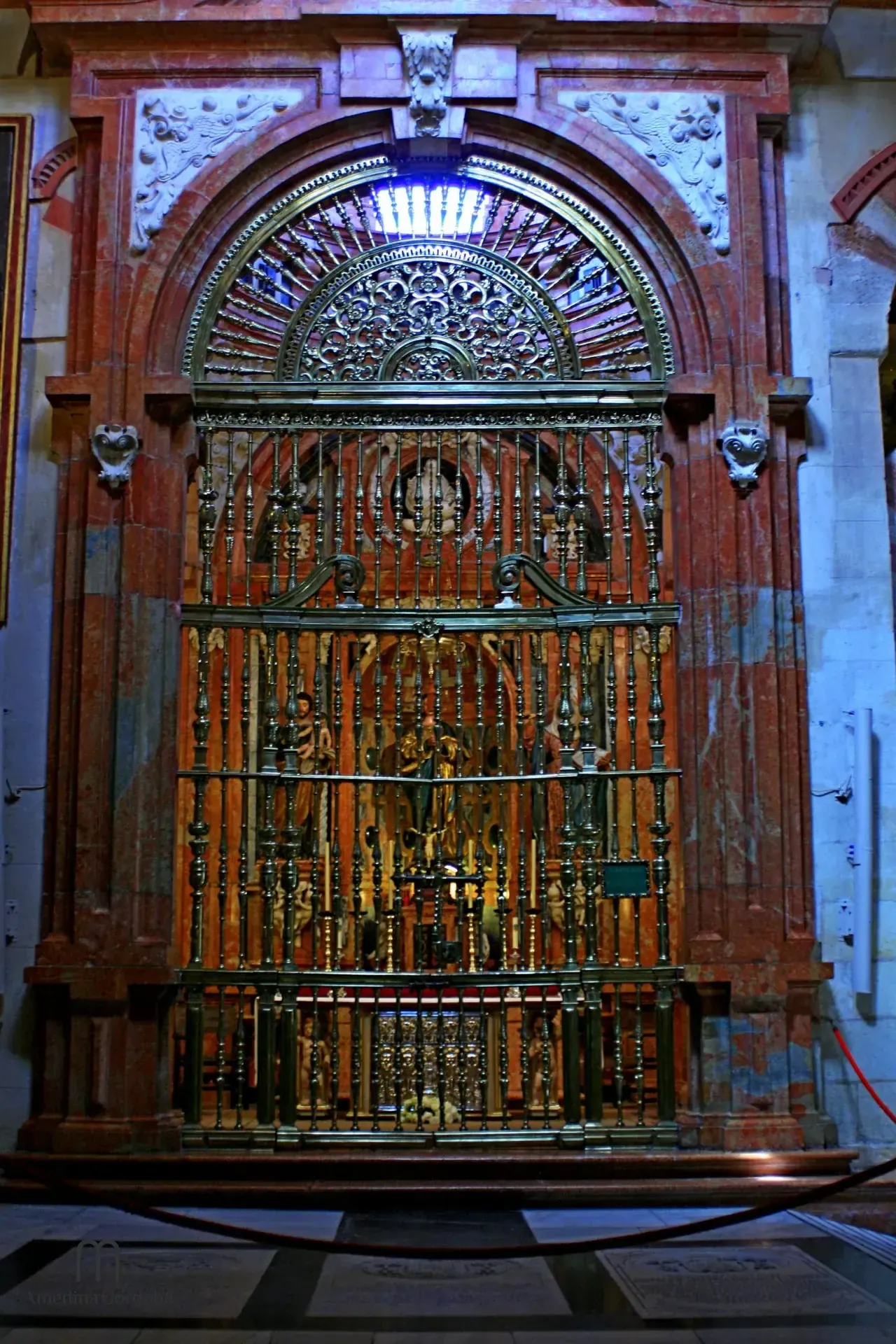
The Villaviciosa and Royal chapels, the Sagrario and the treasury: the Christian chapels that line the walls of the former mosque.
In short
The Chapels of the Mosque-Cathedral of Córdoba: the answer
The Mosque-Cathedral of Córdoba has dozens of Christian chapels, most built along its outer walls between the 13th and 18th centuries. The most important are the Villaviciosa Chapel, the first main chapel of the cathedral, the Royal Chapel with its 14th-century Mudéjar plasterwork, the Sagrario with 16th-century frescoes, and the Baroque chapel that houses the cathedral treasury.
Last verified
First main chapel
Villaviciosa Chapel, 13th century
Mudéjar masterpiece
Royal Chapel, 14th century
Painted chapel
Sagrario, frescoes by Cesare Arbasia (16th century)
Treasury
Baroque chapel with the processional monstrance
Location
Mostly along the outer walls
Why there are so many chapels
After the Christian conquest of 1236 the former mosque became the cathedral of Córdoba. For three centuries, before the large nave existed, noble families and clergy built funerary and devotional chapels along the outer walls, closing many of the arches. That is why the perimeter of the building is a gallery of Christian art from the Gothic to the Baroque.
The Villaviciosa Chapel
Set inside the prayer hall of al-Hakam II, it served as the first main chapel of the cathedral. Its interlaced polylobed arches and the lantern above are Umayyad work reused by the Christian clergy.
The Royal Chapel
Next to Villaviciosa, the Royal Chapel was built in the 14th century as a royal pantheon. Its walls and dome are covered in Mudéjar plasterwork and tiles: Christian patrons, Islamic craftsmanship.
The Sagrario
The chapel of the Sagrario, on the south side, is covered with frescoes painted in the 16th century by the Italian Cesare Arbasia, depicting martyrs of Córdoba.
The treasury
A Baroque chapel houses the cathedral treasury, whose centrepiece is the great processional monstrance by the silversmith Enrique de Arfe, still carried through the streets at Corpus Christi.
Our guided tour visits the Villaviciosa and Royal chapels and passes the main chapels on the way out.
What to look for
Chapels not to miss
| Chapel | Highlight |
|---|---|
| Villaviciosa | Umayyad interlaced arches reused as the first main chapel |
| Royal Chapel | 14th-century Mudéjar plasterwork and tiles |
| Sagrario | 16th-century frescoes by Cesare Arbasia |
| Treasury | Enrique de Arfe's processional monstrance |
| Side chapels | Gothic to Baroque altarpieces along the walls |
Worth knowing before you go
Most chapels are viewed through railings and some may be closed for conservation or worship. The Sagrario is also a parish church with its own mass times.
FAQ
Frequently asked questions
Short answers to what visitors ask most about The Chapels of the Mosque-Cathedral of Córdoba.
How many chapels are in the Mosque-Cathedral of Córdoba?
There are dozens, most built along the outer walls between the 13th and 18th centuries.
What is the Royal Chapel?
A 14th-century royal pantheon decorated with Mudéjar plasterwork and tiles, next to the Villaviciosa Chapel.
Can I go inside the chapels?
Most are viewed from the railings. The main ones are visible from the aisles during a normal visit.
Ready when you are
Twelve centuries. Ninety minutes.
See the Mosque of Córdoba with a licensed guide. Daily at 10:00, ten people at most, entry at face value.