
History
From Mosque to Cathedral: How the Mezquita Changed After 1236
What happened to the Great Mosque after Ferdinand III took Córdoba: consecration, the first chapels, the Renaissance nave and why the mosque survived almost complete.
In short
From Mosque to Cathedral: How the Mezquita Changed After 1236: the answer
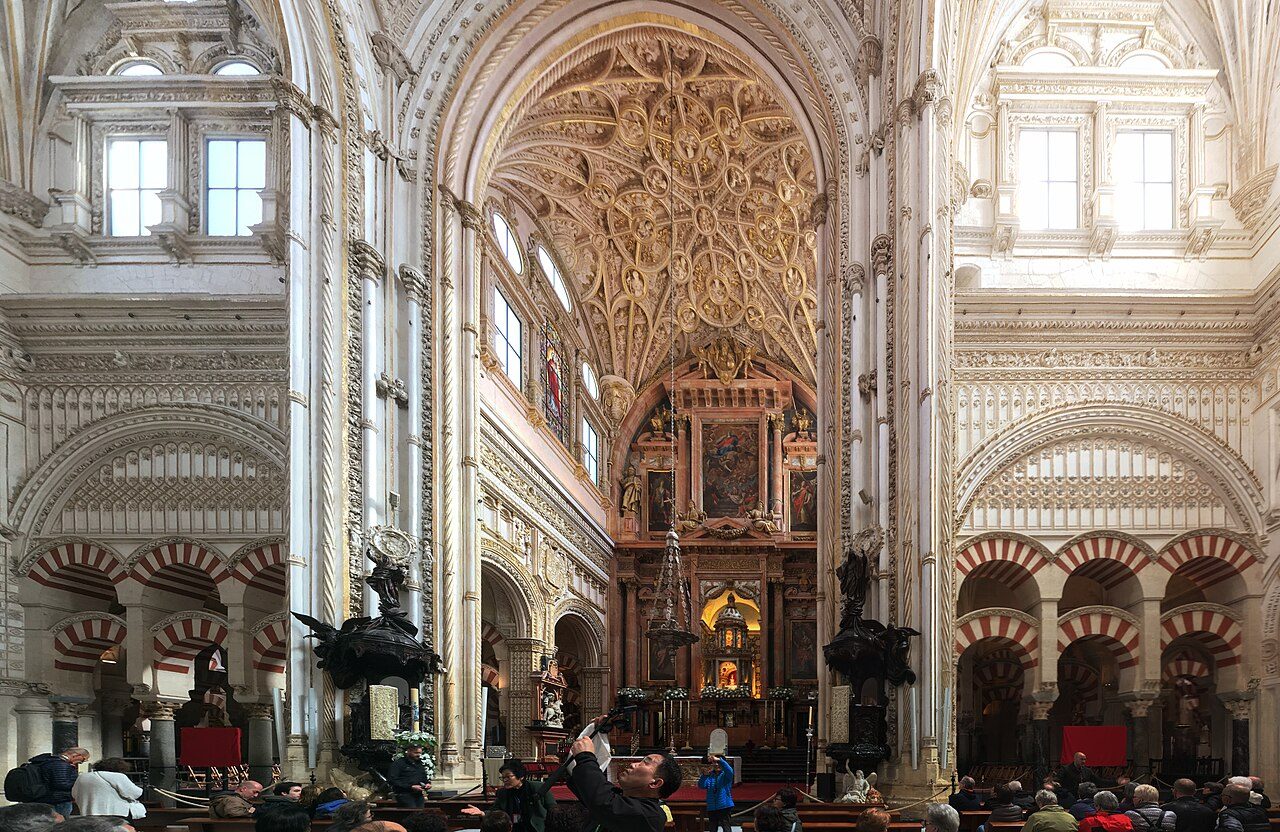
The Mosque of Córdoba became a cathedral on 29 June 1236, when Ferdinand III of Castile conquered the city and the building was consecrated to the Virgin Mary. For three centuries the clergy used the mosque almost as it was, adding chapels along its walls. In 1523 a large cathedral nave was built in its centre, yet around four fifths of the Umayyad prayer hall survive.
Last verified
Conquest of Córdoba
29 June 1236, Ferdinand III
Dedication
Cathedral of Our Lady of the Assumption
First main chapel
Villaviciosa Chapel
Royal Chapel
14th century
Cathedral nave
Begun 1523, completed early 17th century
Managed by
The Cathedral Chapter of Córdoba
Consecration in 1236
When the troops of Ferdinand III entered Córdoba, the Great Mosque was purified and consecrated as a cathedral dedicated to the Assumption of the Virgin. Converting the main mosque was common practice after a conquest, and it explains why the building was preserved instead of being demolished.
Three centuries of small changes
The clergy installed the main altar in the Villaviciosa area and built chapels along the outer walls, closing many of the arches that opened onto the courtyard. In the 14th century the Royal Chapel was added, decorated by Mudéjar craftsmen. The forest of columns remained largely intact.
The great nave of 1523
In 1523 Bishop Alonso Manrique began a cathedral transept and choir in the middle of the prayer hall. The city council objected, but the project continued under three generations of architects and was completed in the early 17th century. It removed part of the columns, but it also stopped any plan to replace the mosque entirely.
Restoration and debate
From the 19th century, architects such as Ricardo Velázquez Bosco restored Umayyad parts of the building, reopening arches and recovering decoration. The coexistence of mosque and cathedral is still debated today, and it is what makes the monument unique in the world.
Our guided tour explains both buildings with the same care.
Chronology
The Christian centuries
| Date | Change |
|---|---|
| 1236 | Consecration as a cathedral |
| 13th century | Main altar in the Villaviciosa area |
| 14th century | Royal Chapel with Mudéjar plasterwork |
| 15th–16th century | Chapels close many outer arches |
| 1523 | Cathedral transept and choir begun |
| Late 16th century | Minaret encased in the bell tower |
| 19th–20th century | Restoration of Umayyad areas |
Worth knowing before you go
The Mosque-Cathedral is today a Catholic cathedral owned and managed by the Cathedral Chapter. Muslim prayer is not permitted inside, a question that has been raised publicly several times in recent decades.
FAQ
Frequently asked questions
Short answers to what visitors ask most about From Mosque to Cathedral: How the Mezquita Changed After 1236.
When did the Mosque of Córdoba become a church?
In 1236, after Ferdinand III of Castile conquered Córdoba. It was consecrated as the cathedral of the city.
Why was the mosque not demolished?
It was consecrated as a cathedral, so it continued in use. Later building, including the 1523 nave, replaced only part of it.
Who owns the Mosque-Cathedral today?
It is the cathedral of the Diocese of Córdoba and is managed by the Cathedral Chapter.
Ready when you are
Twelve centuries. Ninety minutes.
See the Mosque of Córdoba with a licensed guide. Daily at 10:00, ten people at most, entry at face value.