
Architecture
The architecture of the Mosque of Córdoba
From the red-and-white double arches of 785 to the Renaissance cathedral of 1523: what to look at and why it matters.
In short
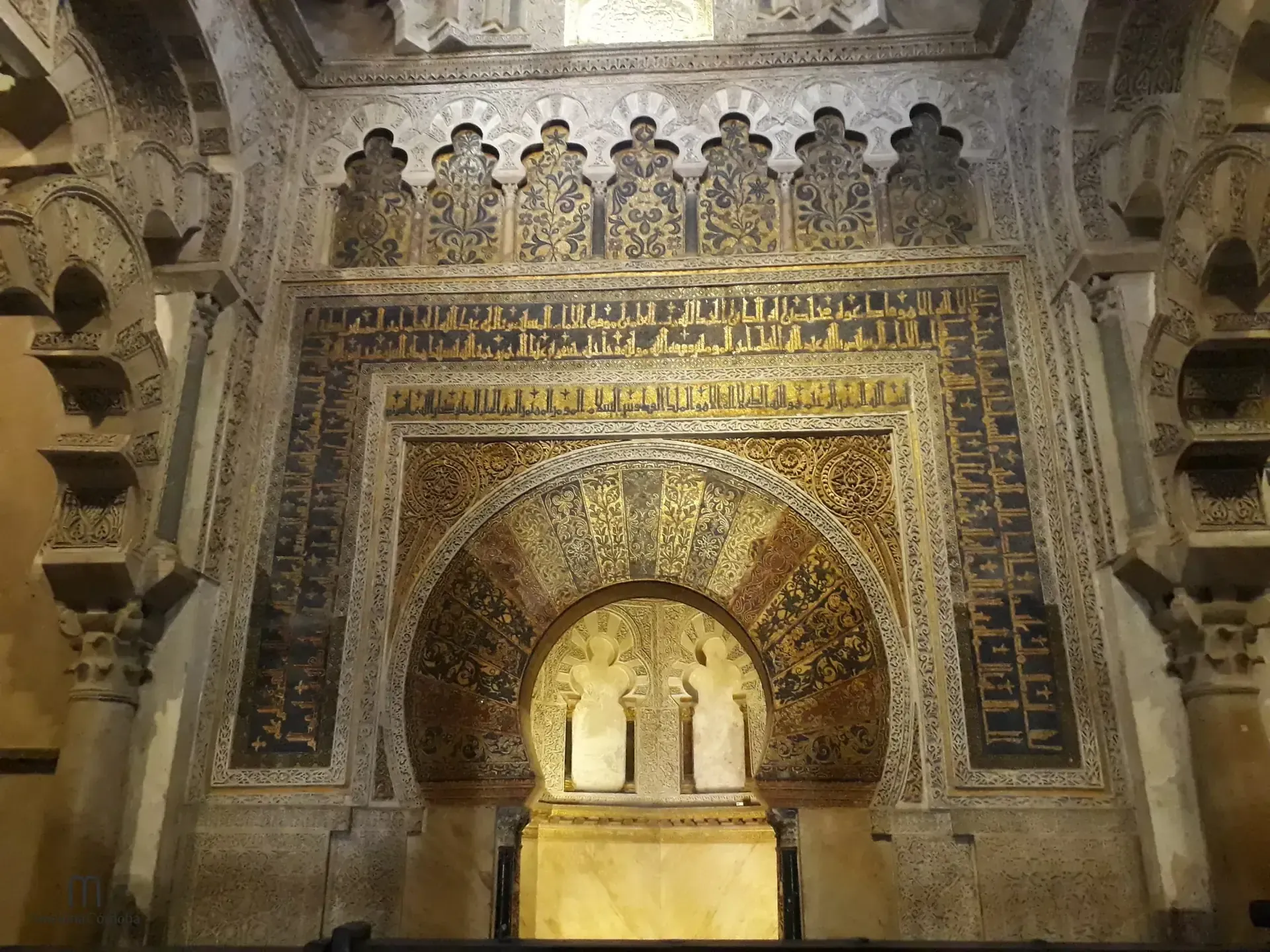
The Mosque of Córdoba is built of double arches in red brick and white stone on about 850 reused columns, expanded in four Umayyad phases between 785 and 988. Its high point is the mihrab of al-Hakam II, covered in gold mosaics. A Renaissance cathedral was raised in its centre from 1523 and the minaret was encased in a bell tower.
Checked against official sources · Last verified 27 November 2026
Explore the building
Read the Mezquita part by part
Six guides to the elements every visitor should recognise.
Arches
The arches and columns
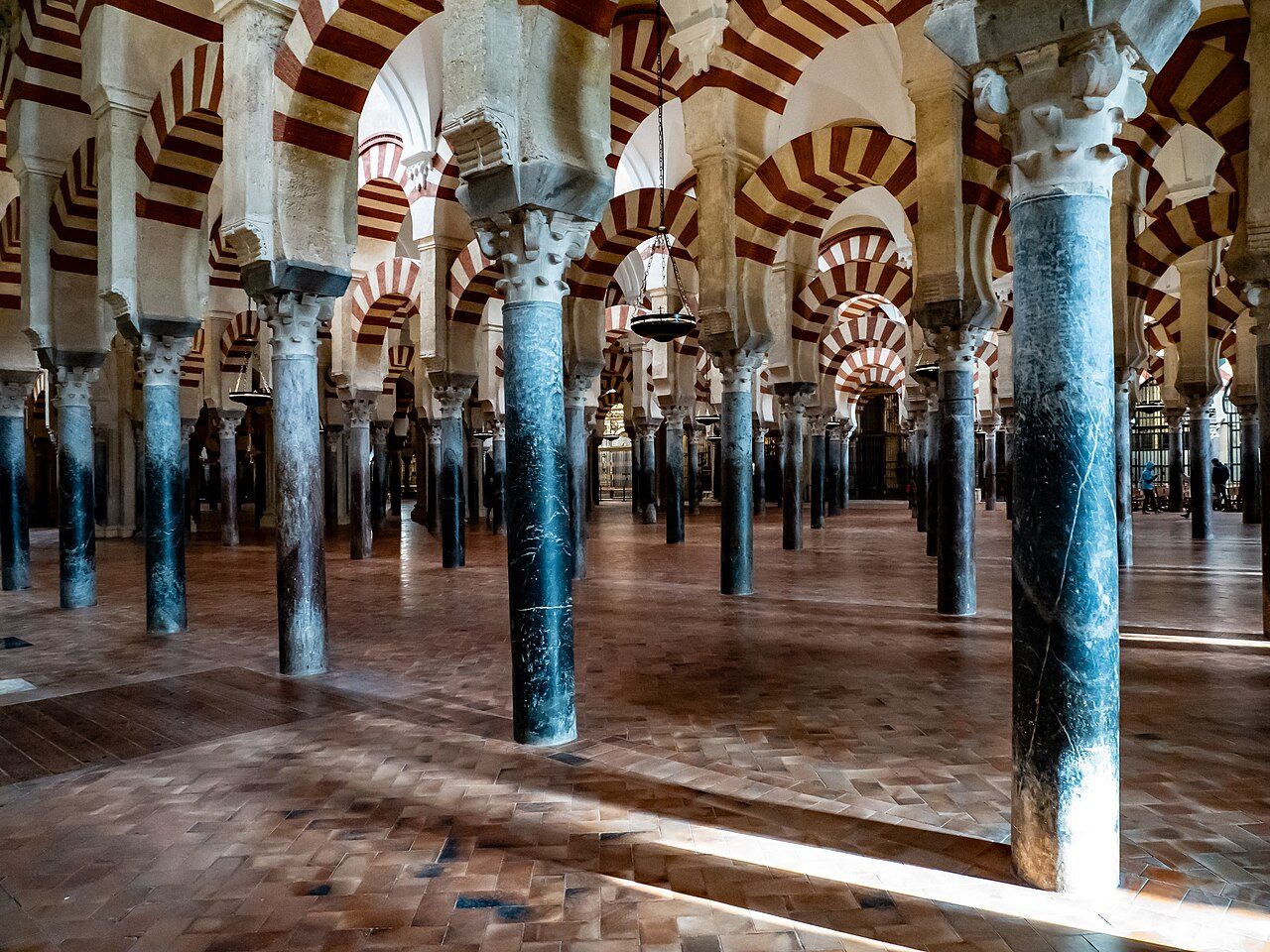
Why the arches are double, where the columns came from and how to date each phase.
Read the guide →Mihrab
The mihrab
The 10th-century octagonal prayer niche and its Byzantine gold mosaics.
Read the guide →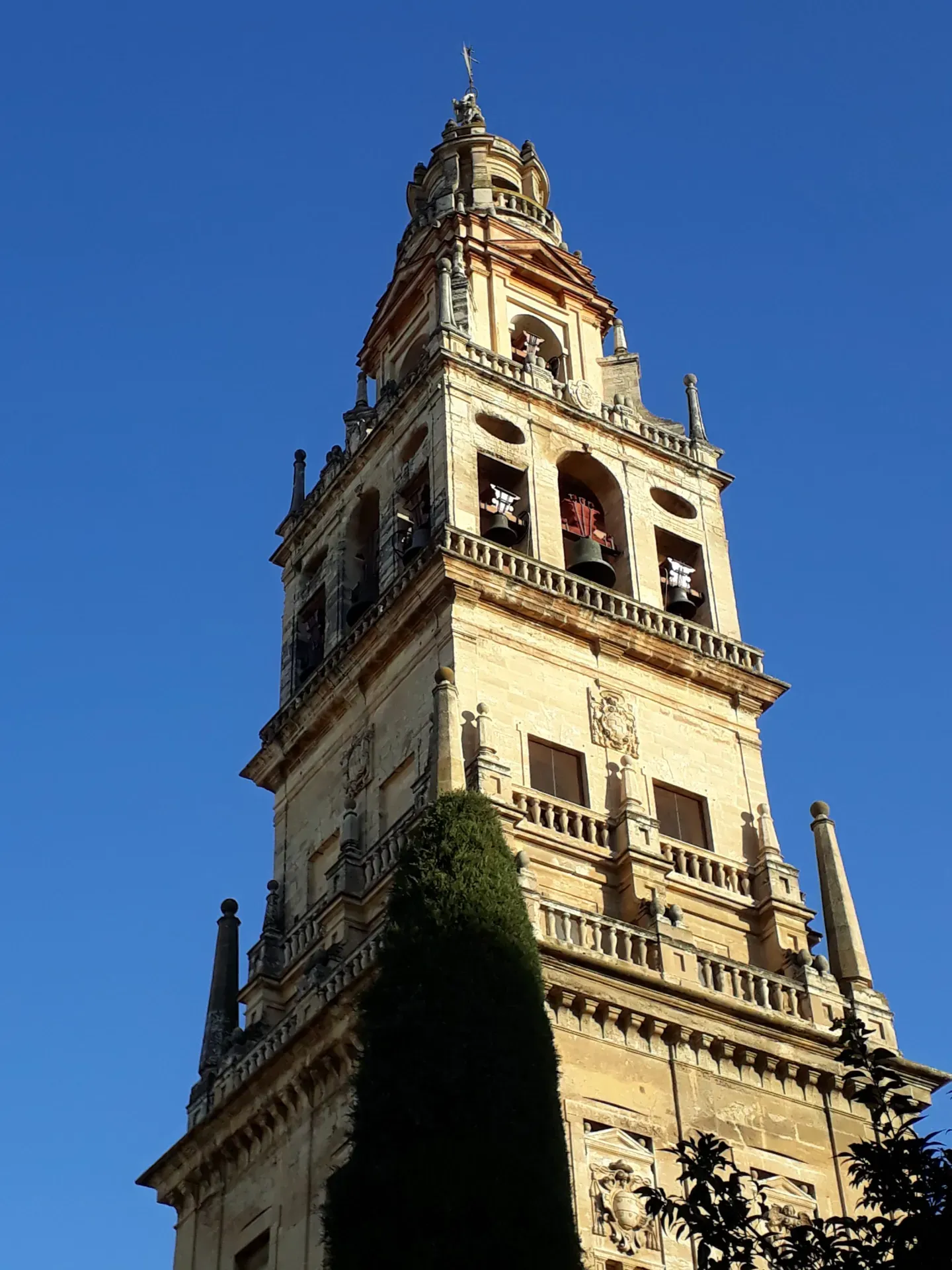
Bell tower
The bell tower
The Renaissance tower around the 10th-century minaret, and how to climb it.
Read the guide →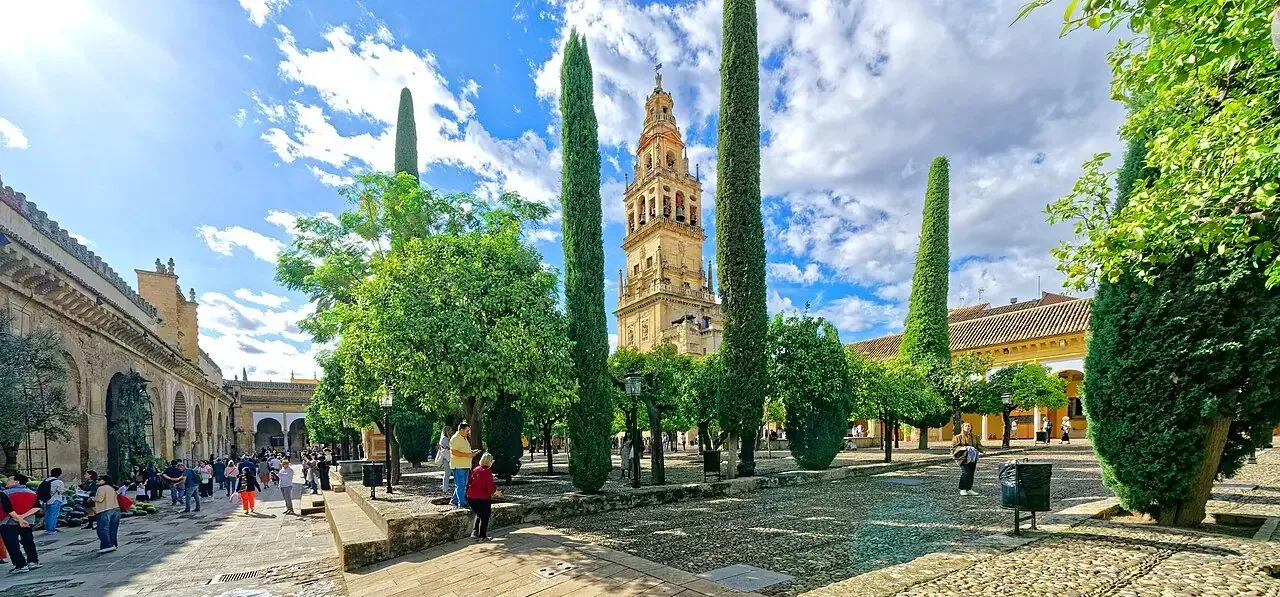
Courtyard
Courtyard of the Orange Trees
The former ablutions courtyard, its fountains and free access.
Read the guide →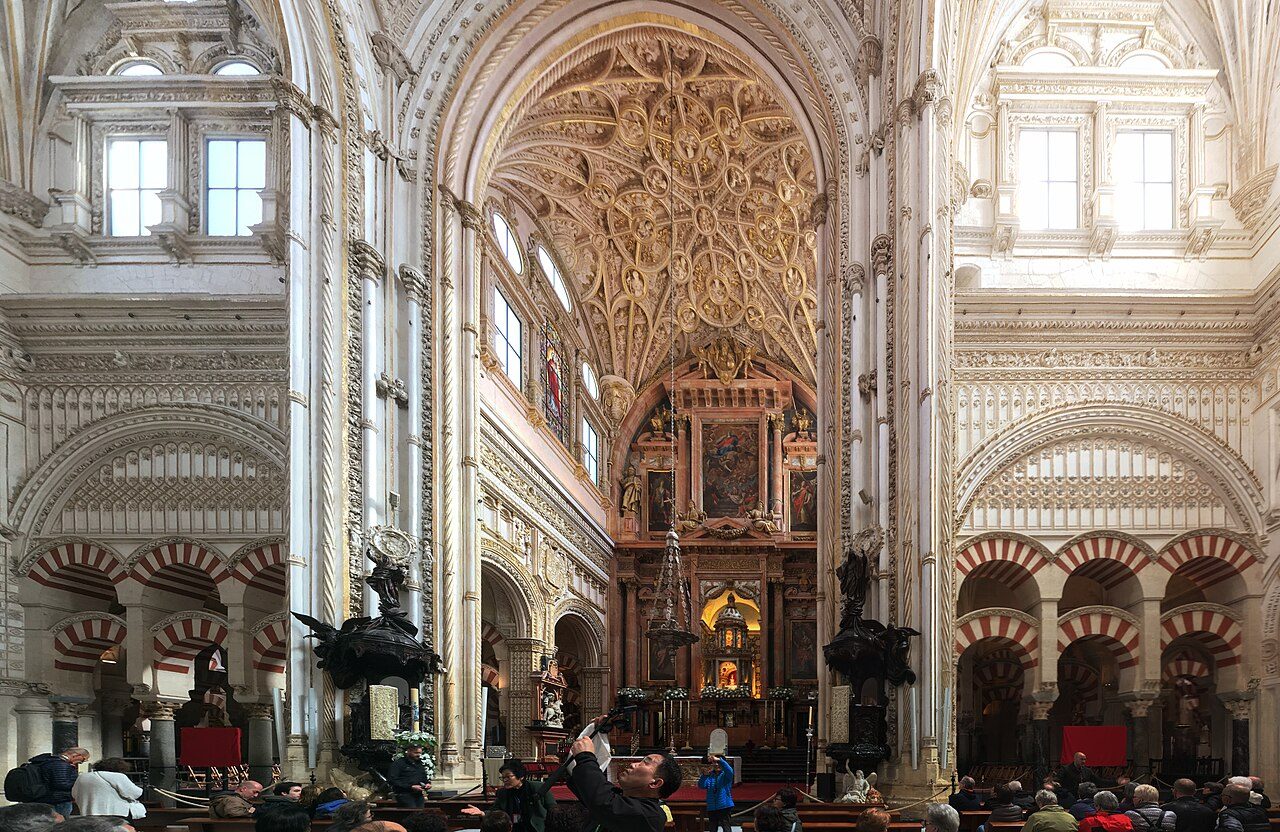
Cathedral
The cathedral nave
The 1523 cathedral built in the heart of the mosque.
Read the guide →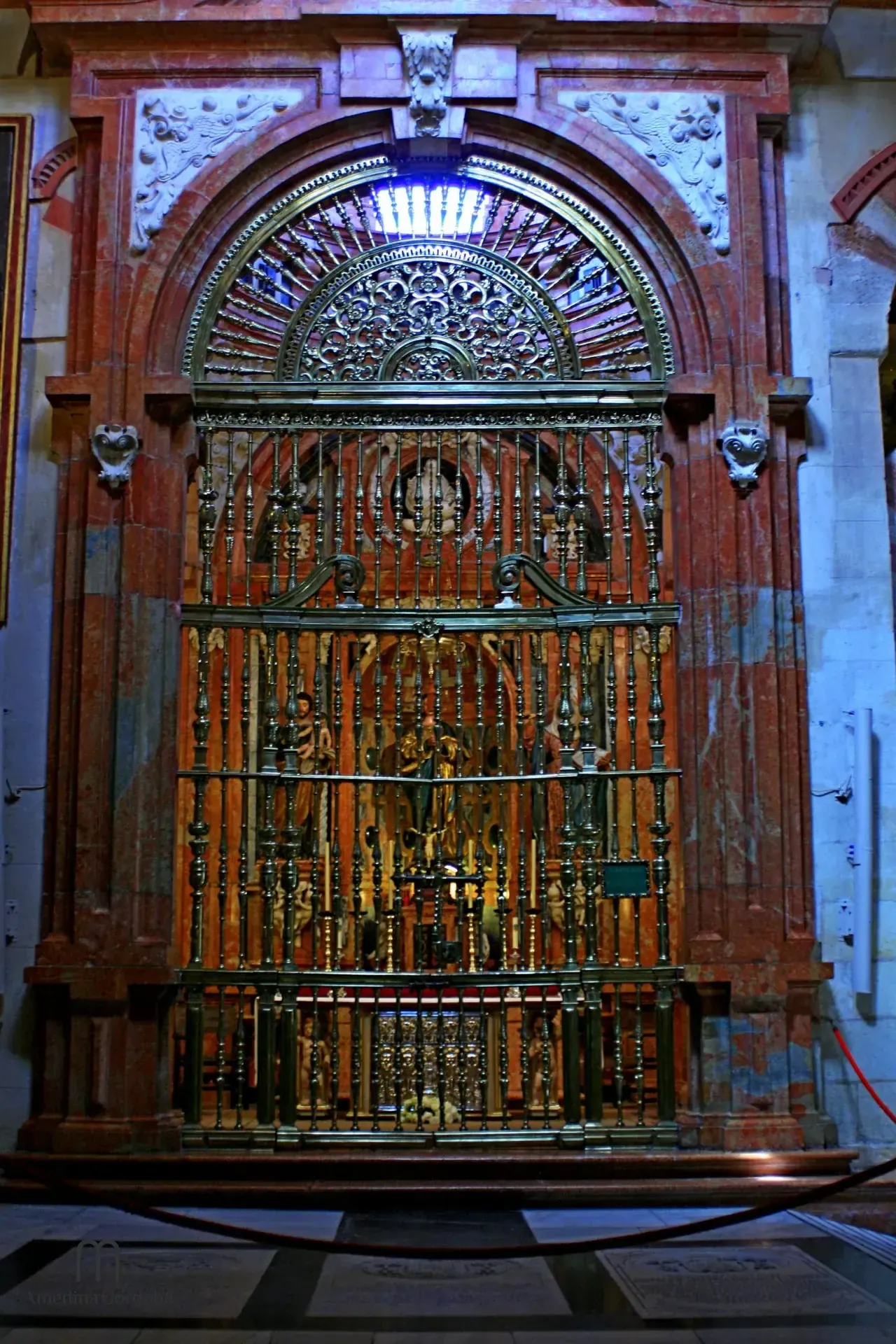
Chapels
The chapels
Villaviciosa, the Royal Chapel, the Sagrario and the treasury.
Read the guide →FAQ
Quick answers
What is the most important part of the Mosque of Córdoba?
The mihrab and maqsura of al-Hakam II (961–976), with their gold mosaics and ribbed domes.
How many columns does it have?
About 850 survive today, out of more than a thousand before the cathedral was built inside.
Why are the arches red and white?
The voussoirs alternate red brick and white limestone.
Ready when you are
Twelve centuries. Ninety minutes.
See the Mosque of Córdoba with a licensed guide. Daily at 10:00, ten people at most, entry at face value.